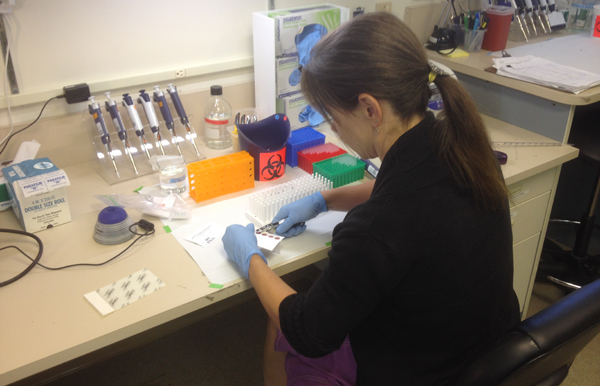
The University of Oregon Biomarker Cluster unites three labs that specialize in minimally-invasive biomarker collection methods and analyses. Minimally invasive biomarker sample types include finger-prick capillary blood, saliva, hair, urine, feces, and some cell types and we are able to analyze these samples for markers of chronic and infectious diseases and hormonal, immune, and metabolic functioning.
SPIT LAB
Dr. Birdie Shirtcliff
The Stress Physiology Integrative Team (SPIT) Lab validates hair and saliva samples for detecting hormonal biomarkers.
STAR LAB

Dr. Zachary Dubois
The STAR Lab conducts biocultural research addressing how stress, resilience, and other social determinants of health affect physiology, health, and disease.
GHBL

Dr. Josh Snodgrass
The Global Health Biomarker Lab validates dried blood spot analyses and specializes in point-of-care testing in population-based health studies.
SHARED RESOURCES
Shared resources are free resources that include lab protocols, information on biomarker development, teaching materials, and statistical tools.
CONTRACT SERVICES
Contract services are paid services that are offered by the biomarker cluster and include sample prep, sample processing, equipment use, and statistical consulting.
CO-DIRECTORS
DR. BIRDIE SHIRTCLIFF

Dr. Elizabeth A. (Birdie) Shirtcliff is a research professor at the University of Oregon and director of the Stress Physiology in Teens (SPIT) laboratory in the Center for Translational Neuroscience. In 2023, Dr. Shirtcliff became the editor-in-chief of the journal Psychoneuroendocrinology and consulting editor for Comprehensive Psychoneuroendocrinology. She uses a variety of noninvasive tools to investigate the interplay of biological and behavioral factors unfolding across children’s lives, especially in adolescence.
DR. ZACHARY DUBOIS
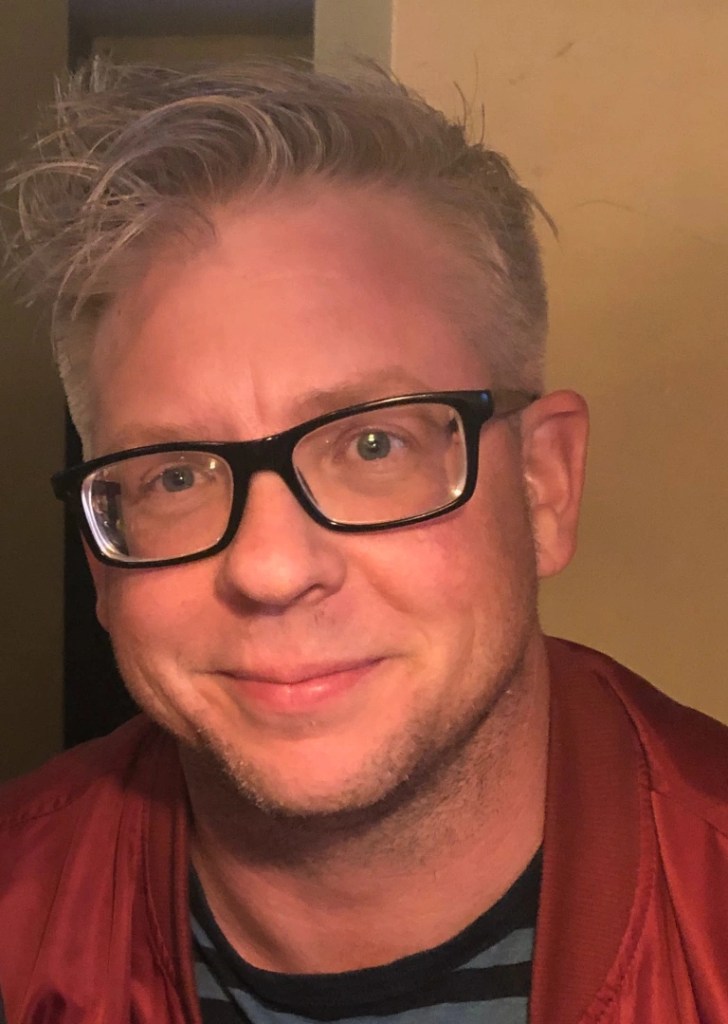
Dr. Zachary DuBois is an Assistant Professor of Biological Anthropology who specializes in resilience, social determinants of health, embodied stigma and inequality, and expanding and adding nuance to current conceptualizations of gender and sex. He teaches upper-level undergraduate courses in biocultural anthropology, including human biological variation, in cultural anthropology including Food and Culture, as well as, graduate courses in Methods of Qualitative Data Analysis and Mixed-Methods.
DR. JOSH SNODGRASS
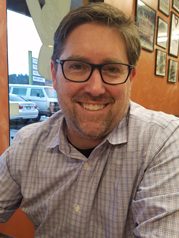
Dr. Snodgrass is a biological anthropologist who specializes in human evolutionary biology and global health. His research focuses on human adaptation to environmental stressors (such as cold stress), the influence of social change on health (especially cardiovascular and metabolic diseases), aging, the effects of chronic psychosocial stress on health and well-being, and the evolution of the human diet.
 UO Biomarker Cluster